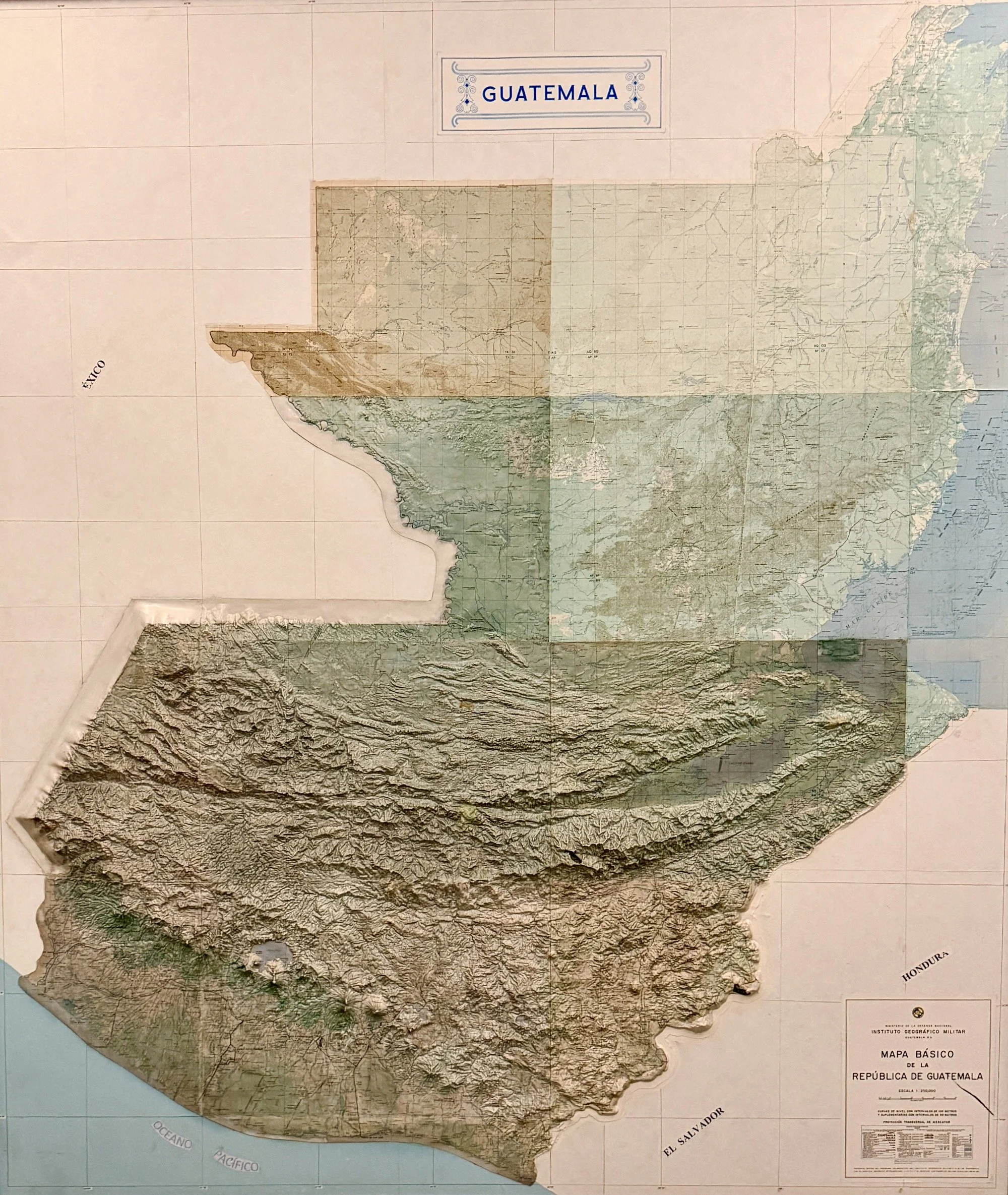
guatemala city | guatemala
2026
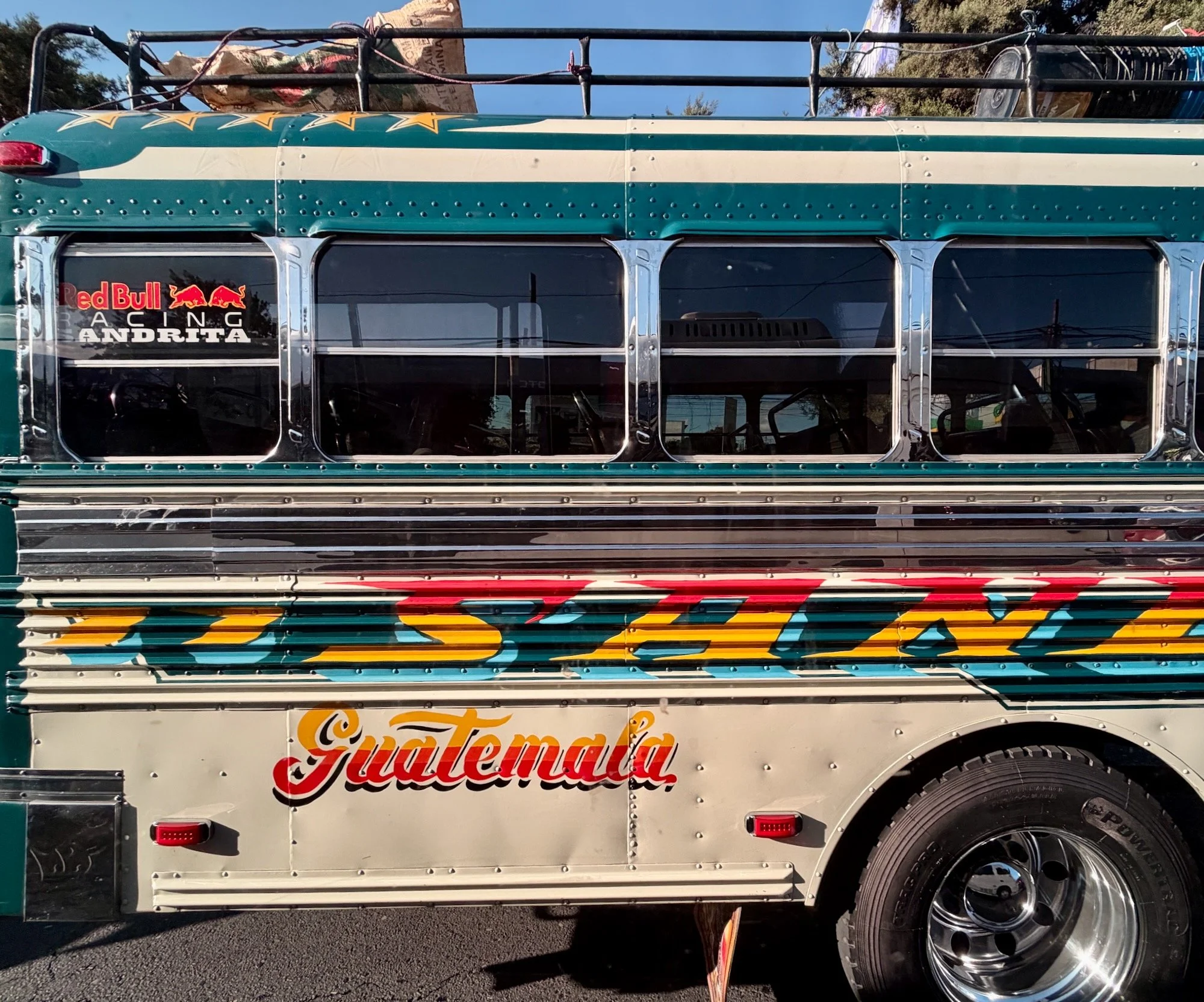
chicken bus | camionetas
guatemala city | guatemala
2026
Chicken buses, locally called camionetas, are retired North American school buses painted in bright, vibrant colors and used as public transit across Guatemala.
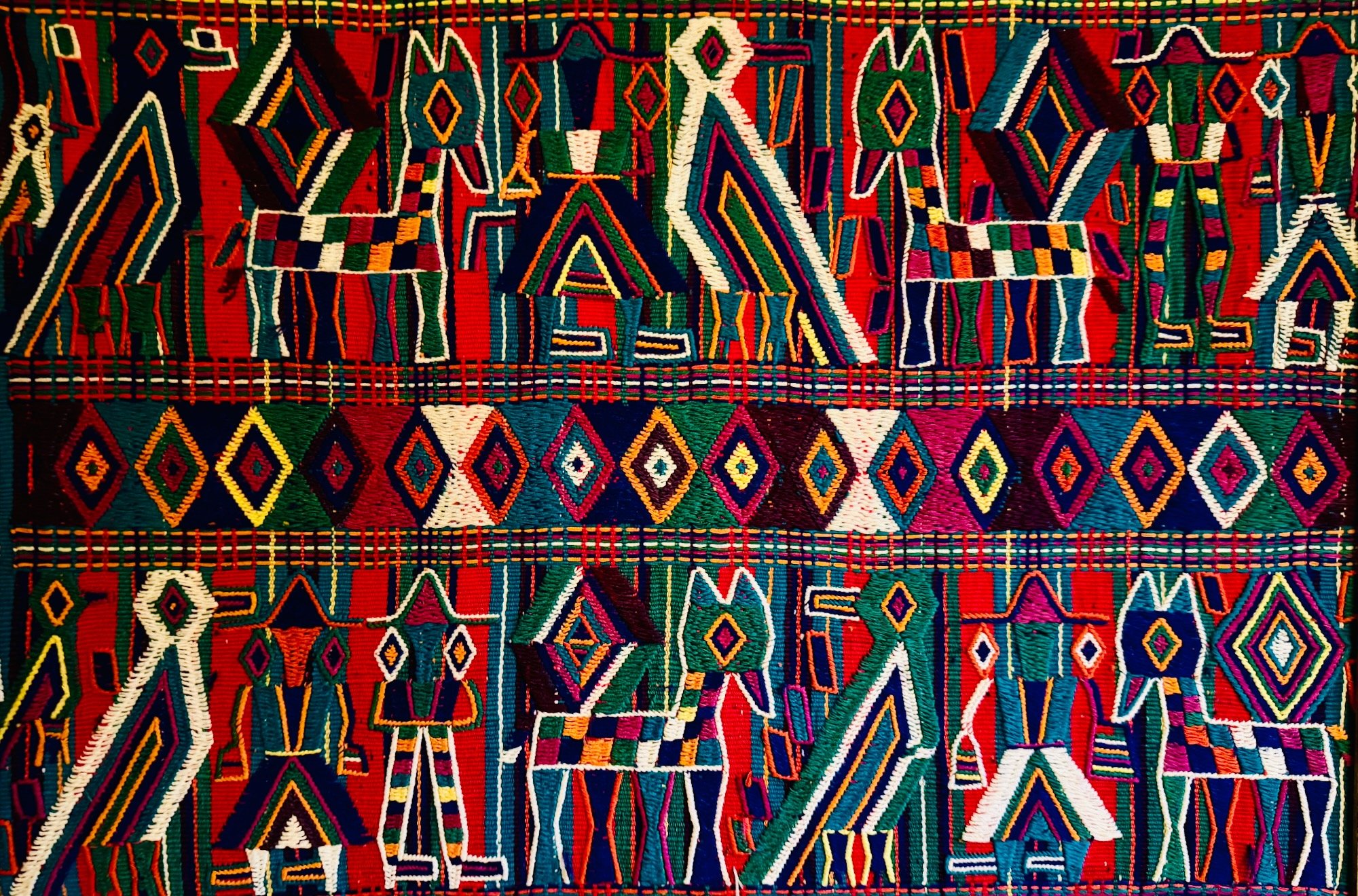
textile in maya brocade style | lake atitlan region
panajachel | guatemala
2026
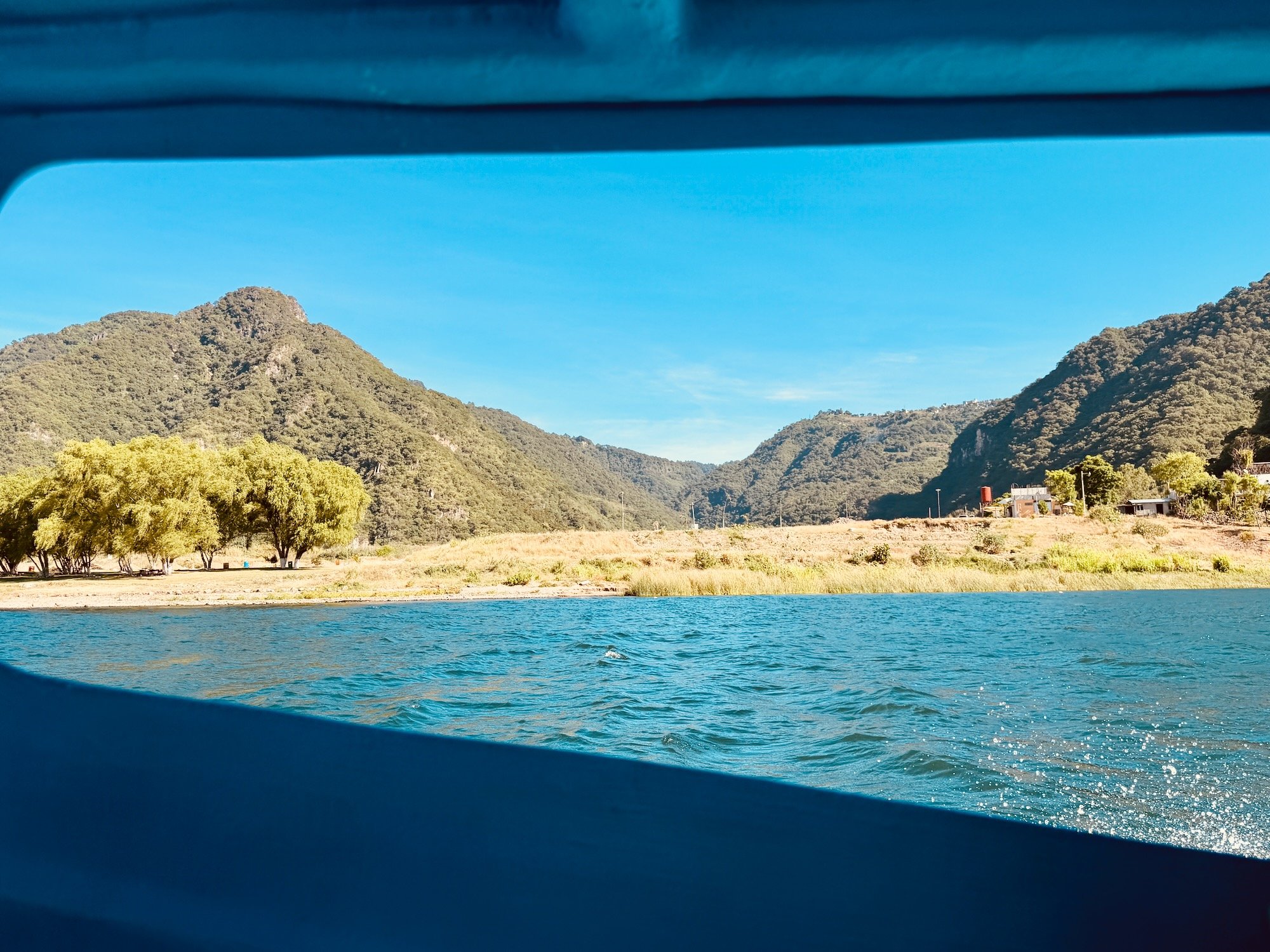
lancha crossing lake atitlan
panajachel | guatemala
2026
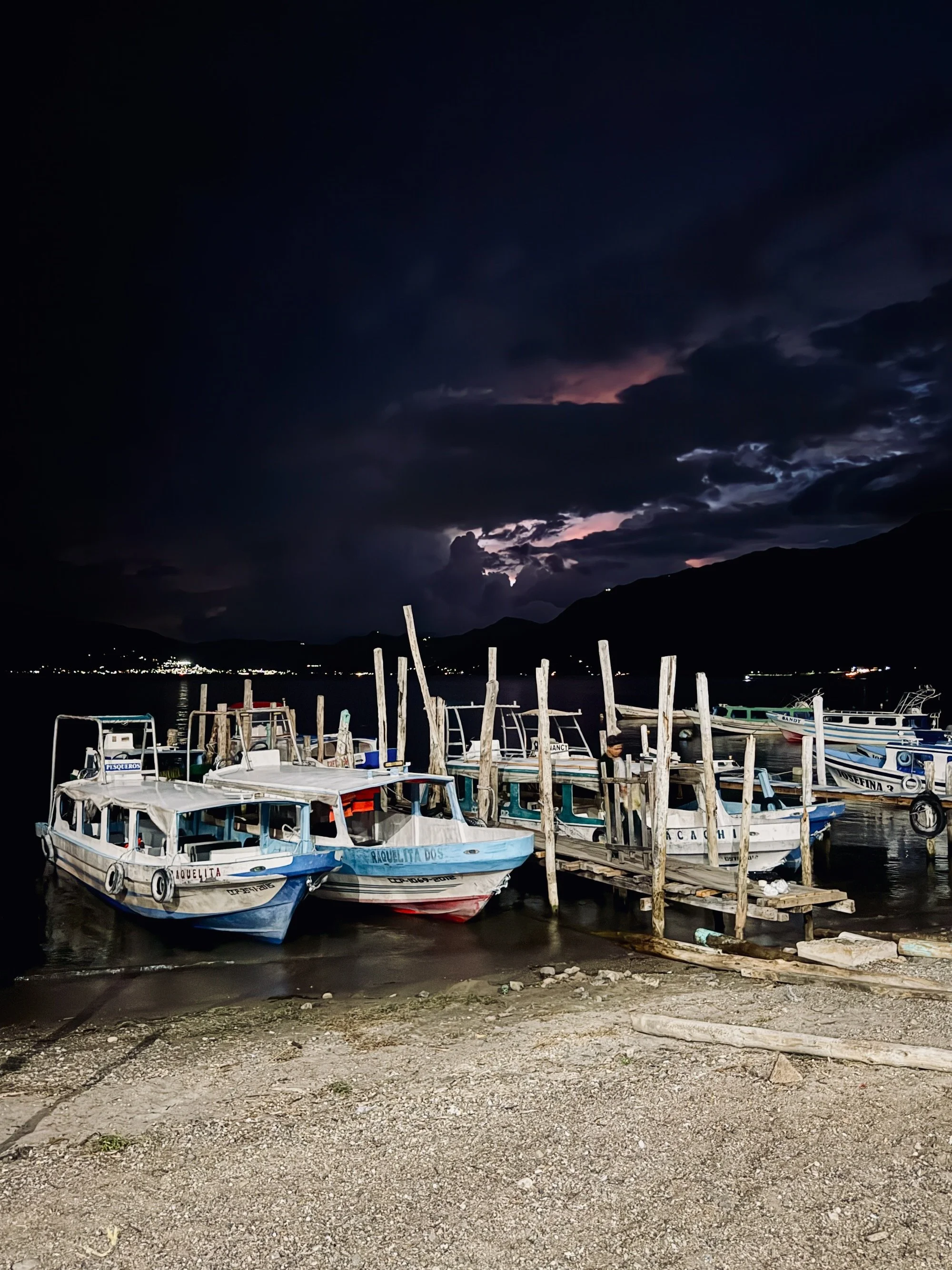
A lancha is a small motorized boat that is a common form of transportation among the communities around Lake Atitlán.
san pedro la laguna | lake atitlan region
guatemala
2026
san pedro la laguna | lake atitlan region
guatemala
2026
san pedro la laguna | lake atitlan region
guatemala
2026
san pedro la laguna | lake atitlan region
guatemala
2026
san pedro la laguna | lake atitlan region
guatemala
2026
san pedro la laguna | lake atitlan region
guatemala
2026
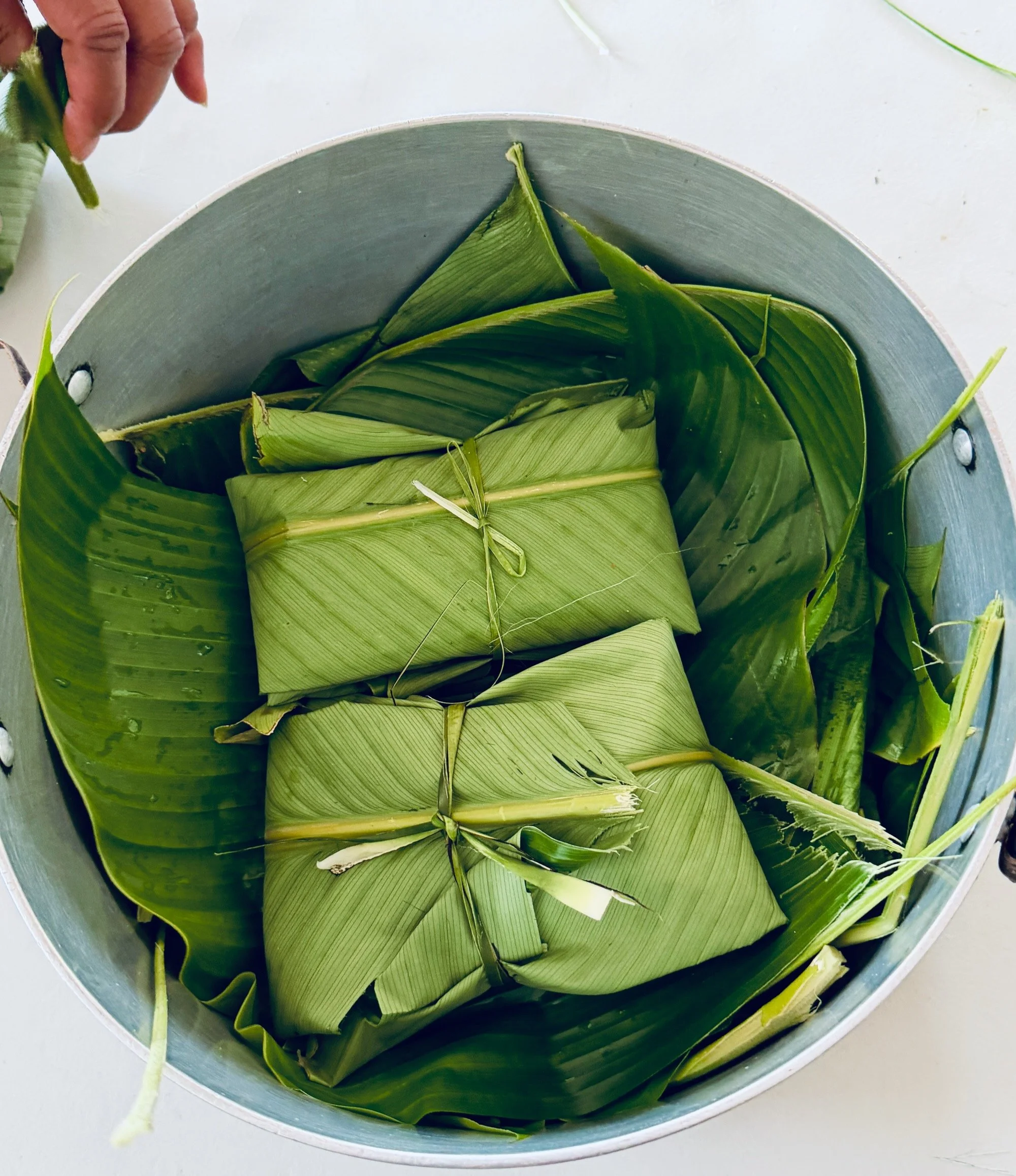
tamales
san pedro la laguna | lake atitlan region
guatemala
2026
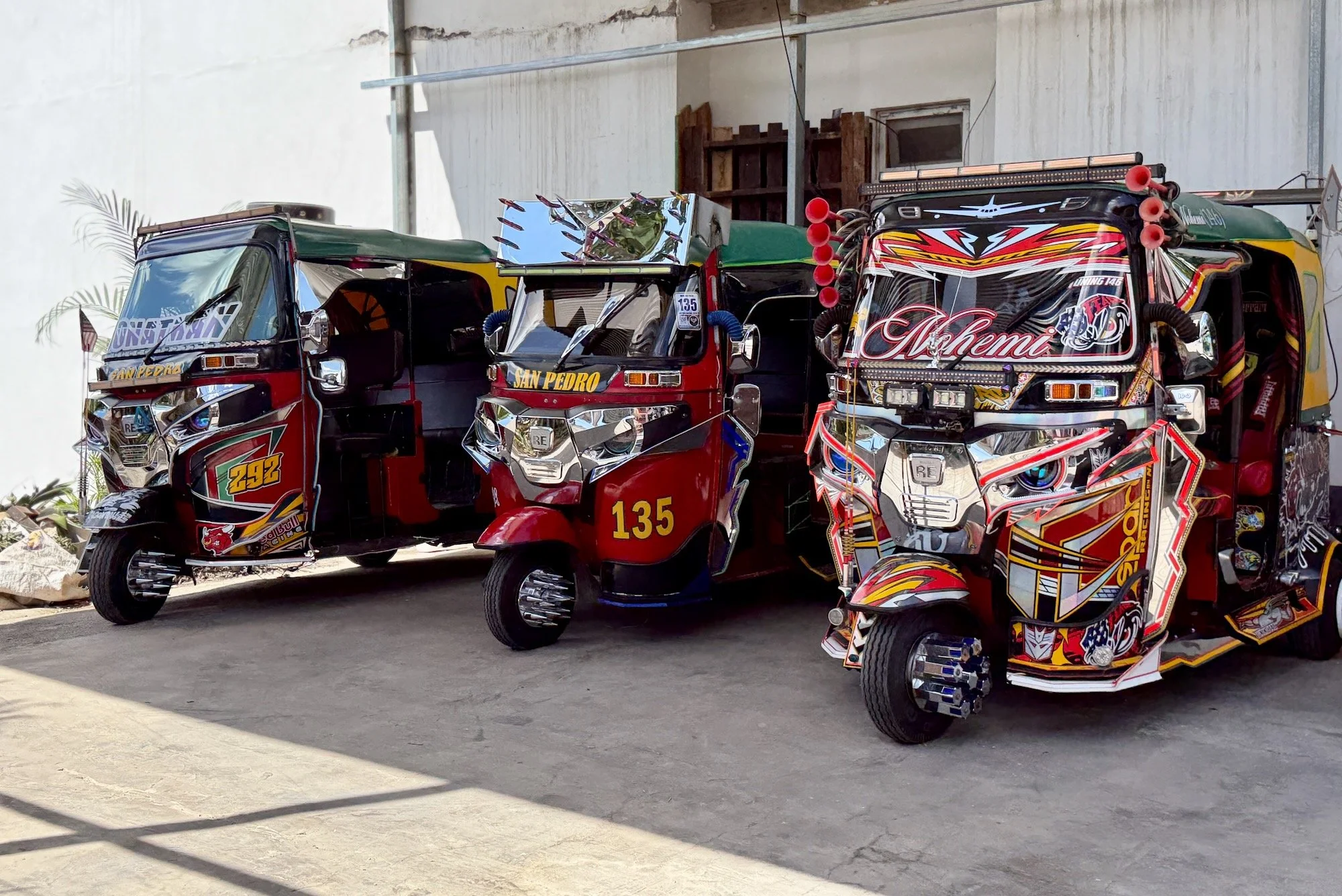
tuk tuk
san pedro la laguna | lake atitlan region
guatemala
2026
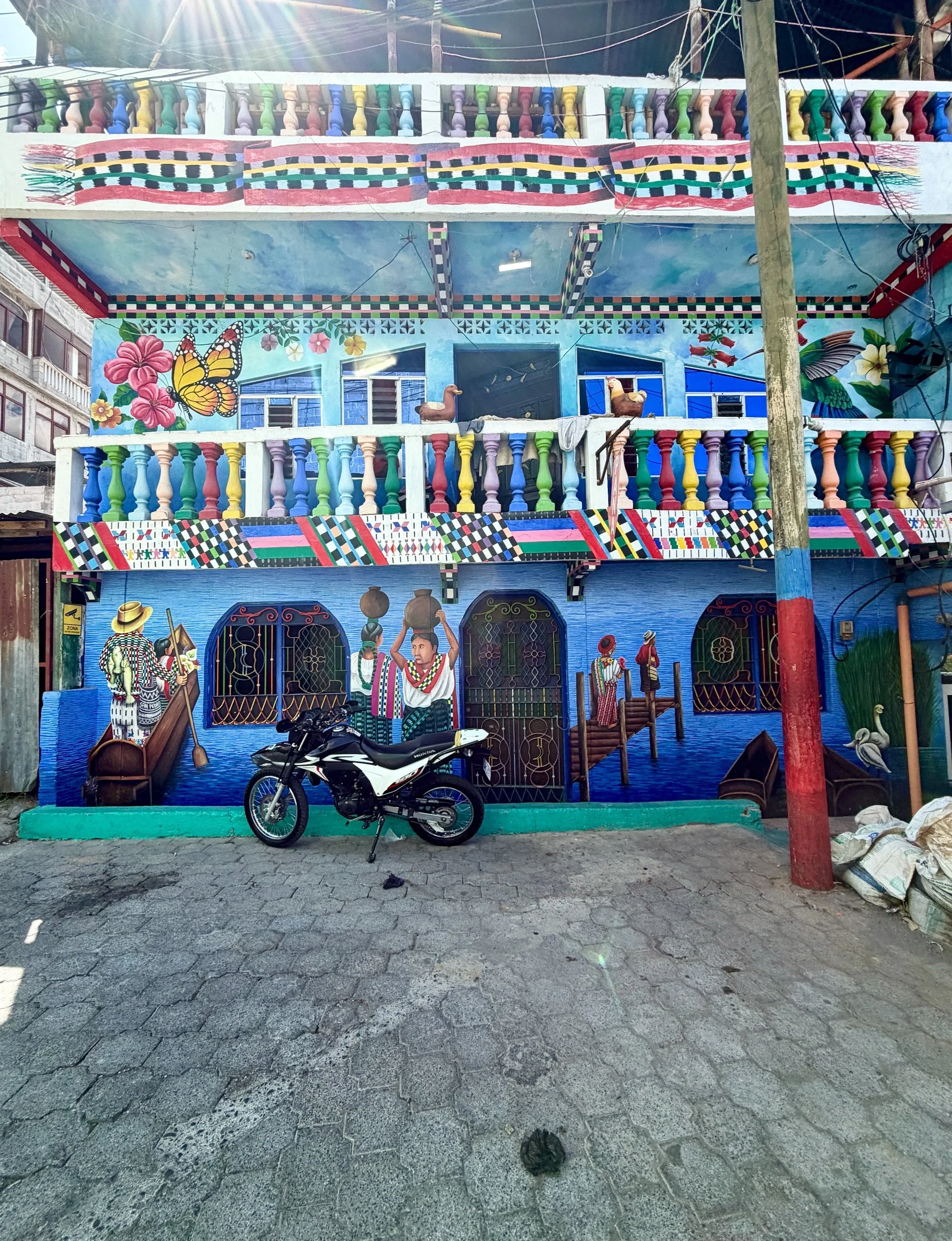
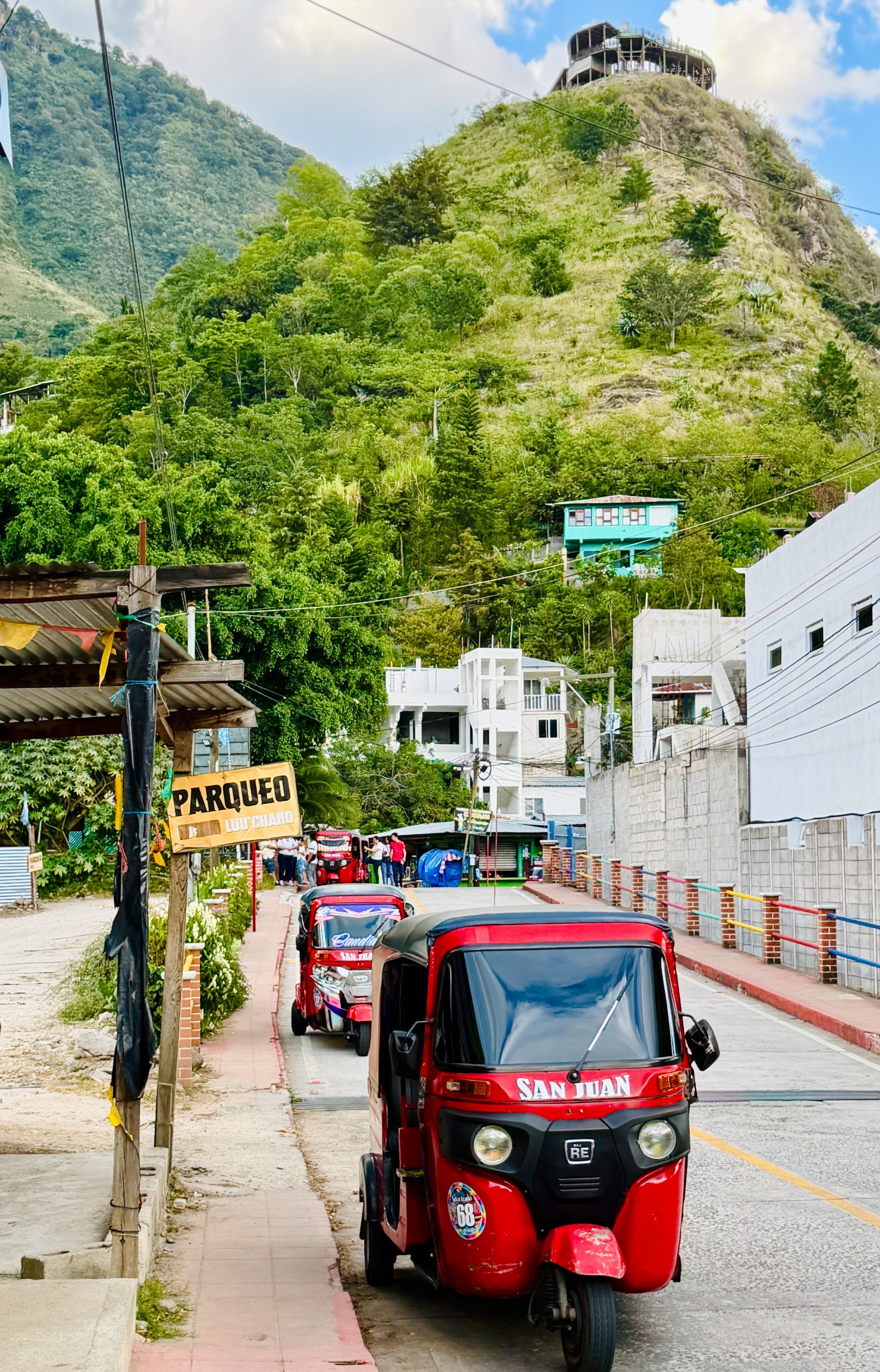
Tuk tuk is a small, three-wheeled motorized vehicle used for short-distance transport, common throughout Asia, Latin America, and parts of Africa. The name comes from the "tuk-tuk" sound made by early two-stroke engine versions.
san pedro la laguna | lake atitlan region
guatemala
2026
coffee seeding
la voz atitlan | coffee farm collective
san juan la laguna | solola
guatemala
2026
san juan la laguna | lake atitlan region
guatemala
2026
san juan la laguna | lake atitlan region
guatemala
2026
san juan la laguna | lake atitlan region
guatemala
2026
panajachel | late atitlan
guatemala
2026
escuela oficial rural mixta maya kaqchikel
solola | guatemala
2026
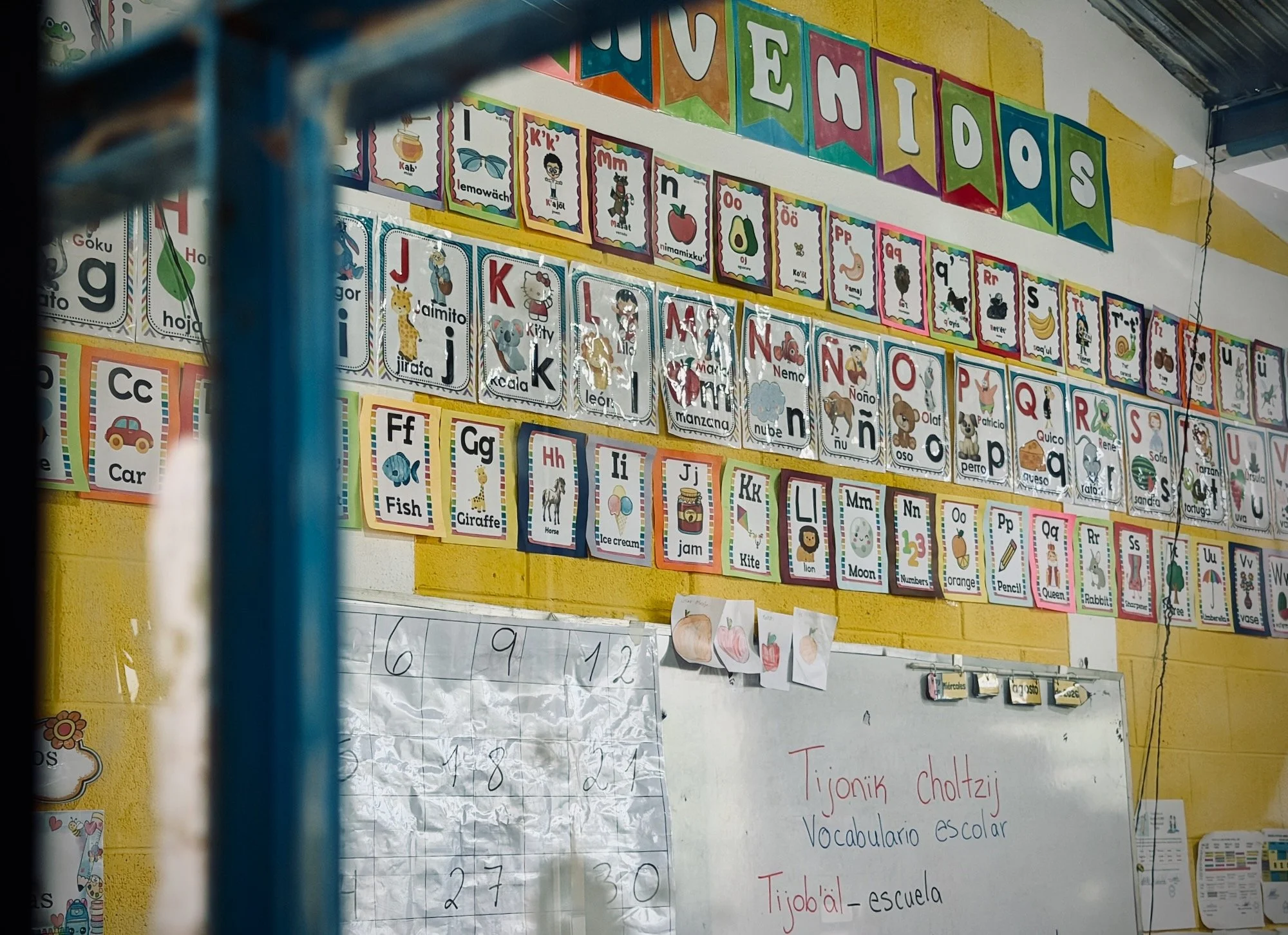
Students in this early elementary classroom are formally exposed to Kaqchikel, Spanish, and English.
corn fields
solola | guatemala
2026
santiago atitlán | guatemala
2026
church of santiago apóstol | parroquia de santiago apóstol
santiago atitlán | guatemala
2026
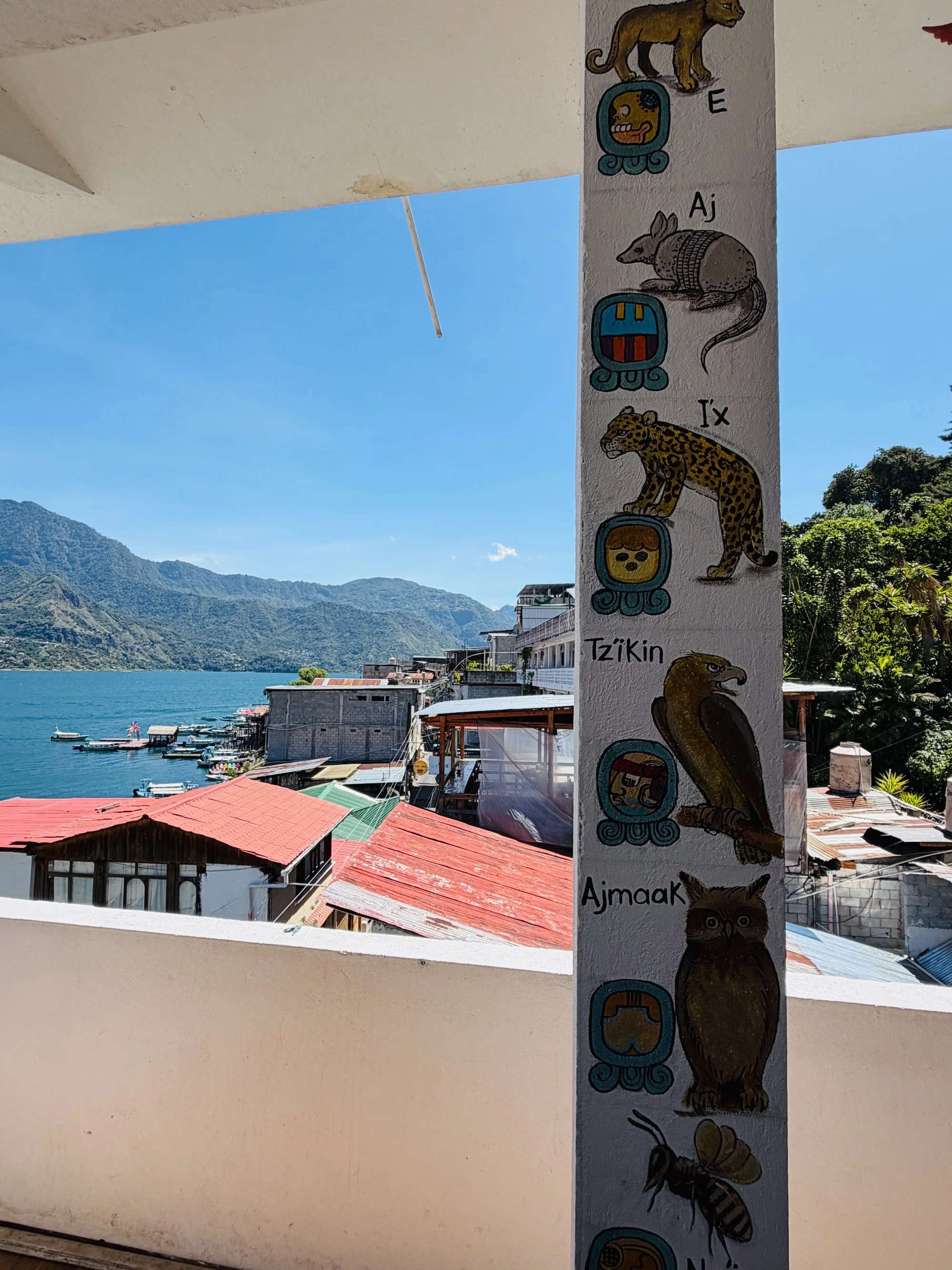
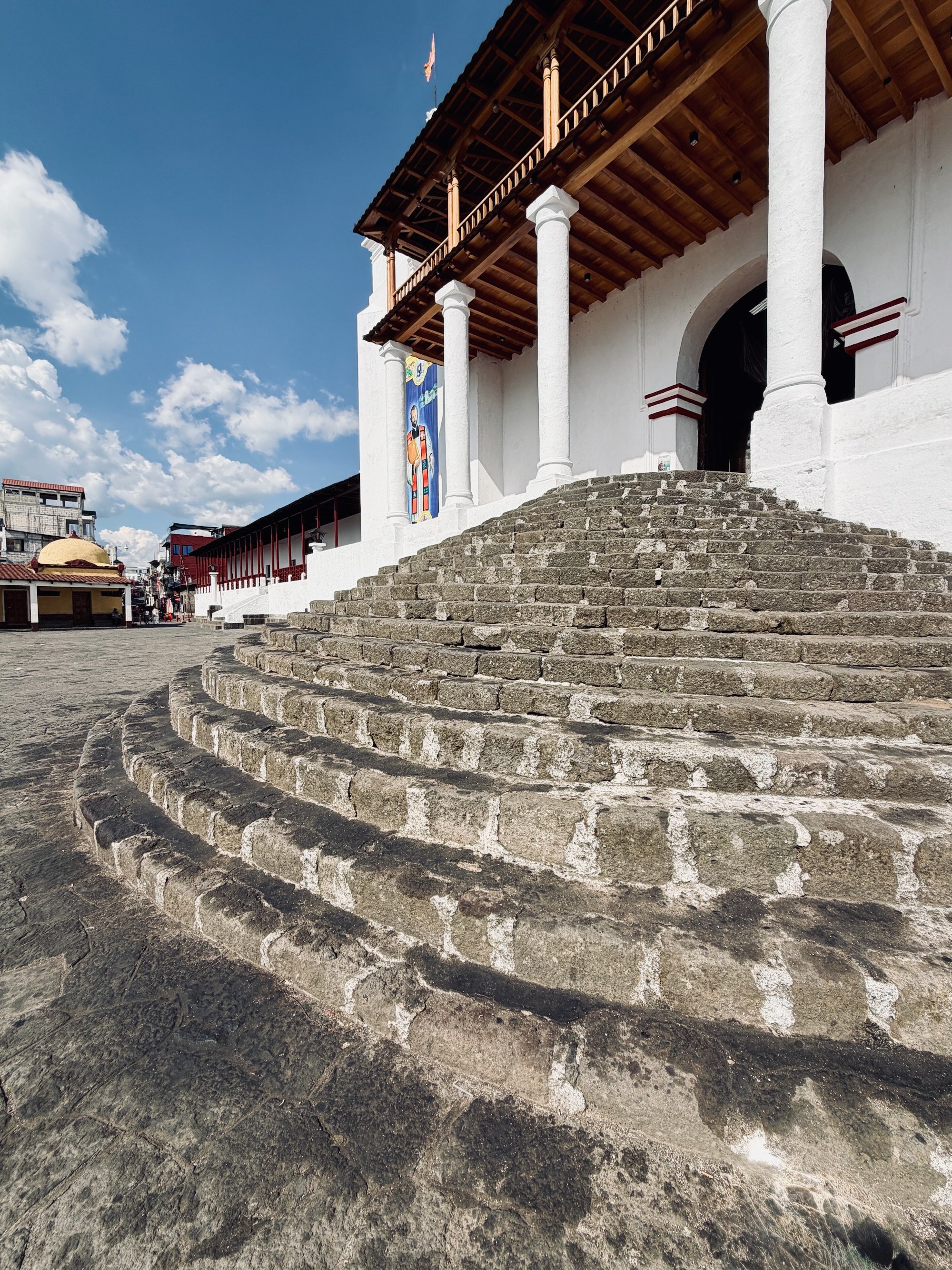
The Church of Santiago Apóstol in Santiago Atitlán, Guatemala, was built by Franciscan friars around 1547 on a site believed to have held a Mayan temple. Its twenty entrance steps echo the twenty day-signs of the Maya calendar — a subtle act of resistance to colonization. Today, the church retains deep ties to the Tz'utujil Maya community and represents a fusion of Catholic and Indigenous Maya beliefs.
volcan de picaya
guatemala
2026
la antigua | guatemala
2026
la antigua | guatemala
2026
el comalote - tortillería
la antigua | guatemala
2026
la antigua | guatemala
2026
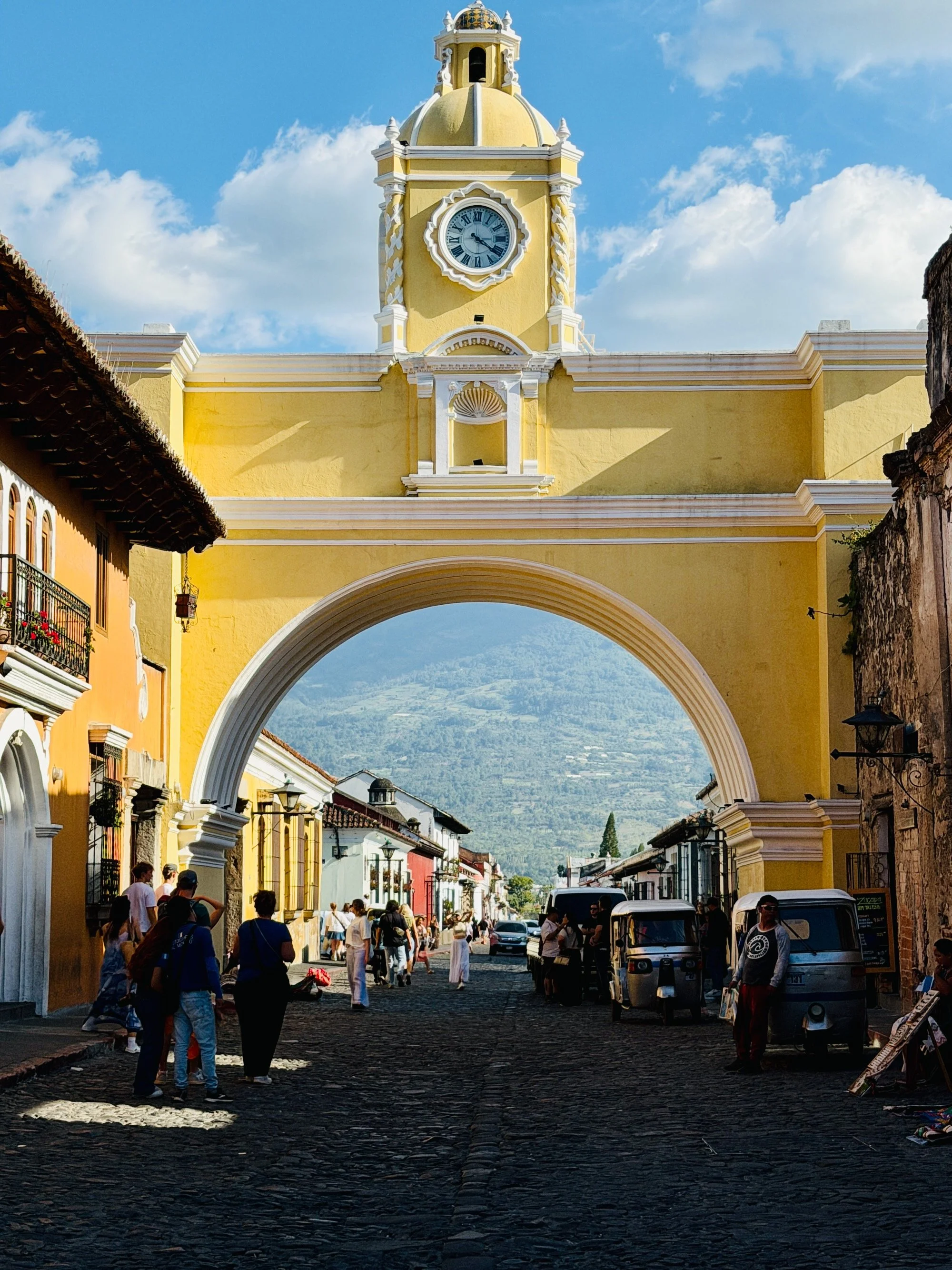
arco de santa catalina
la antigua | guatemala
2026
A yellow arch built in the 17th century so cloistered nuns from the Santa Catalina convent could cross the street without being seen by the public.
long trip guatemala
2026
Throughout the the 2026 Long Trip to Guatemala, my thoughts kept returning to a central question: What challenges and opportunities, tensions and contradictions do people face when they have to navigate creating new possibilities for themselves while remaining deeply connected to the traditions, languages, relationships, and communities that have sustained them for generations?
That question arose in conversations with young indigenous women and visits to schools, in meetings with indigenous entrepreneurs, during time spent in markets and coffee fields, and in the food, languages, and everyday life of the communities we encountered.
I was especially moved by MAIA Impact School, a high school named after the brightest star in the Taurus constellation. At MAIA, young indigenous women are encouraged to imagine lives beyond the roles they're traditionally expected to fill, while staying grounded in a culture more than 2,500 years old. Visiting MAIA reaffirmed something I already believed about education: that it's not just about teaching knowledge or opening doors. It's about building the relationships and conditions that let young people choose, for themselves, which doors they actually want to walk through.
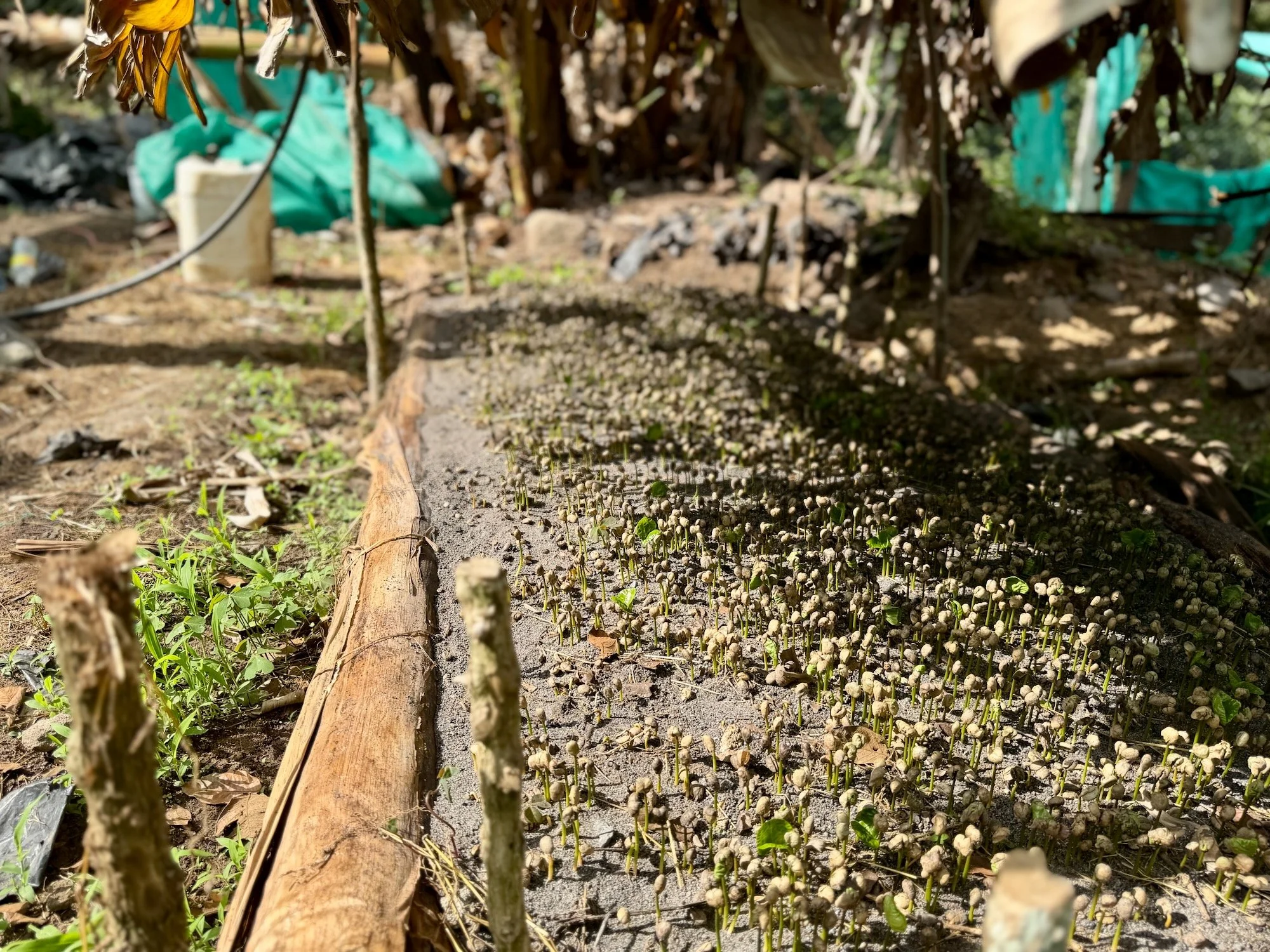
That same tension between honoring tradition and building something new showed up at La Voz Que Clama en el Desierto, a Maya Tz'utujil coffee cooperative in San Juan La Laguna. The cooperative was founded during a period of real uncertainty in Guatemala's history, in the midst of the country's civil war. Here, land, farming knowledge, economic opportunity, and collective ownership all come together. The cooperative is rooted in traditional ways of working the land, while also creating something new, including a path for women to become landowners. It's a reminder that keeping a culture alive and building new opportunity aren't opposites.
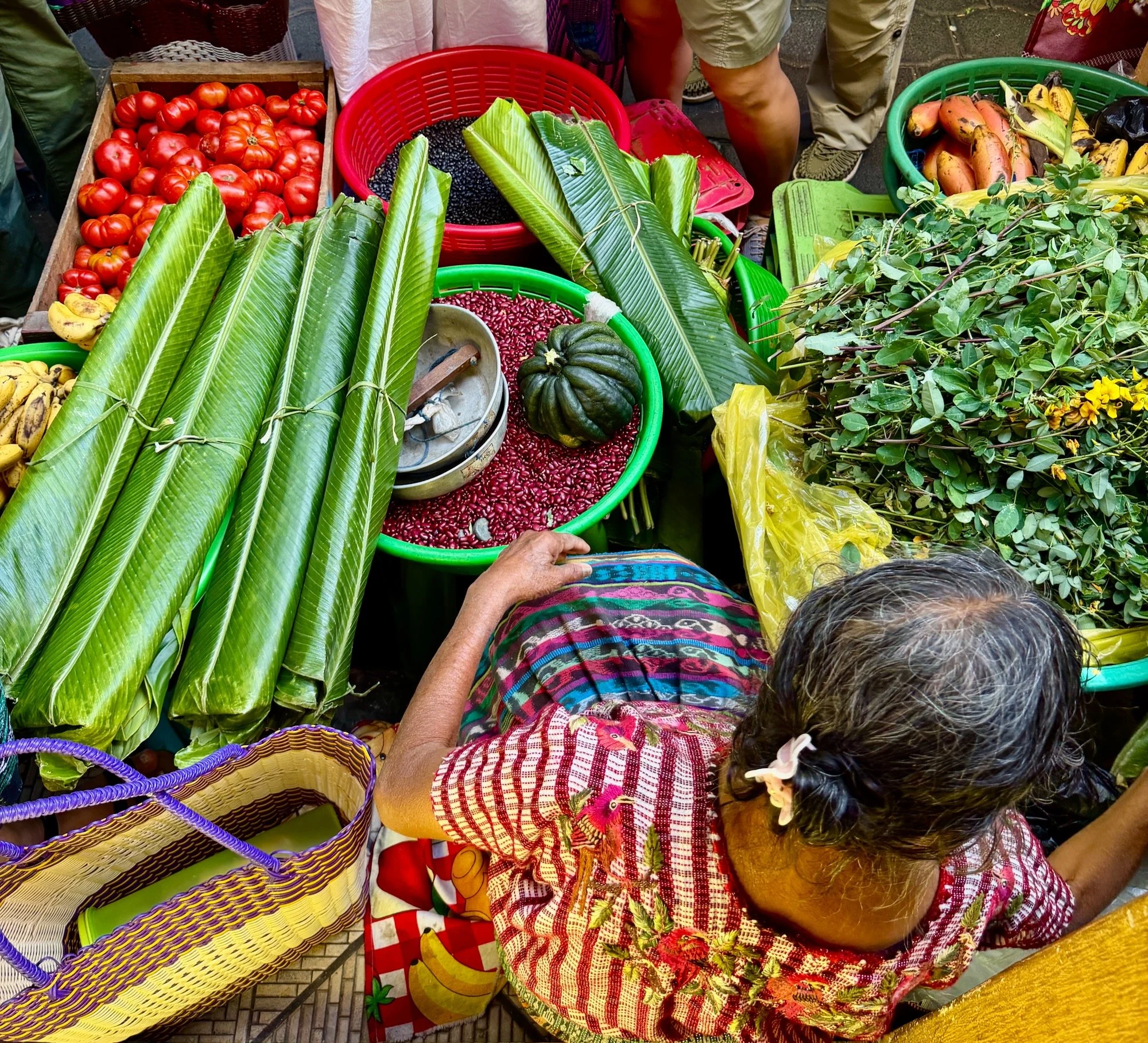
We experienced a similar interplay between culture, entrepreneurship, and community through the Mayan Kitchen Cooking Class. The founder led us through the local markets, introducing us to ingredients, vendors, and the stories behind the food before guiding us in preparing a meal together. Her own journey was equally meaningful: as an indigenous single mother, she created a new pathway for herself as an entrepreneur, building a livelihood while supporting local artisans and businesses through her work. The experience showed how entrepreneurship can be rooted not in leaving a community behind, but in creating new opportunities within and alongside it.
During our visits, there were tensions between tradition and new ways of doing things that we didn't get to fully explore—tensions I would have liked to sit with longer, particularly with the richer questions of how communities navigate those tensions and make thoughtful decisions about what to preserve, what to adapt, and what to change.
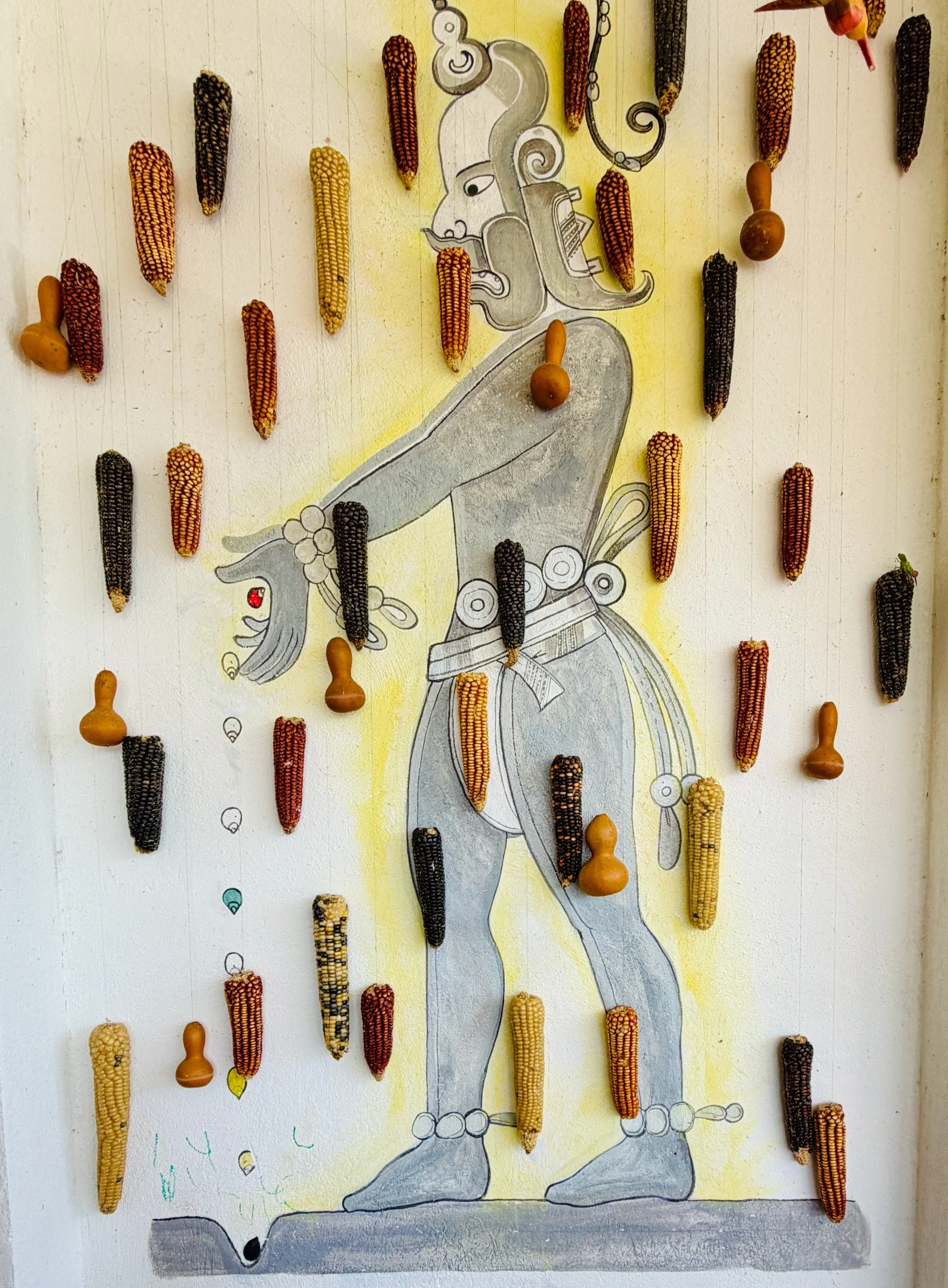
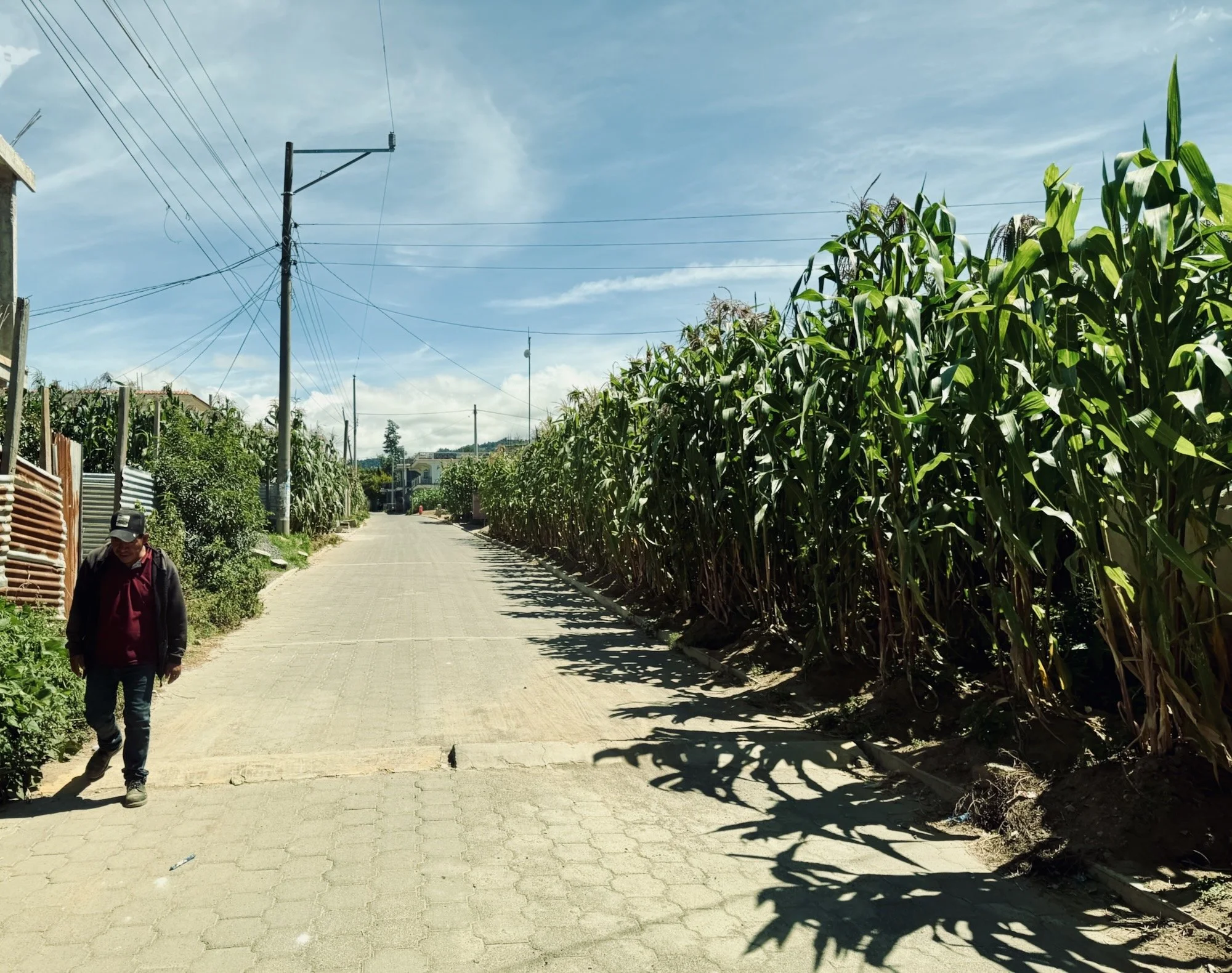
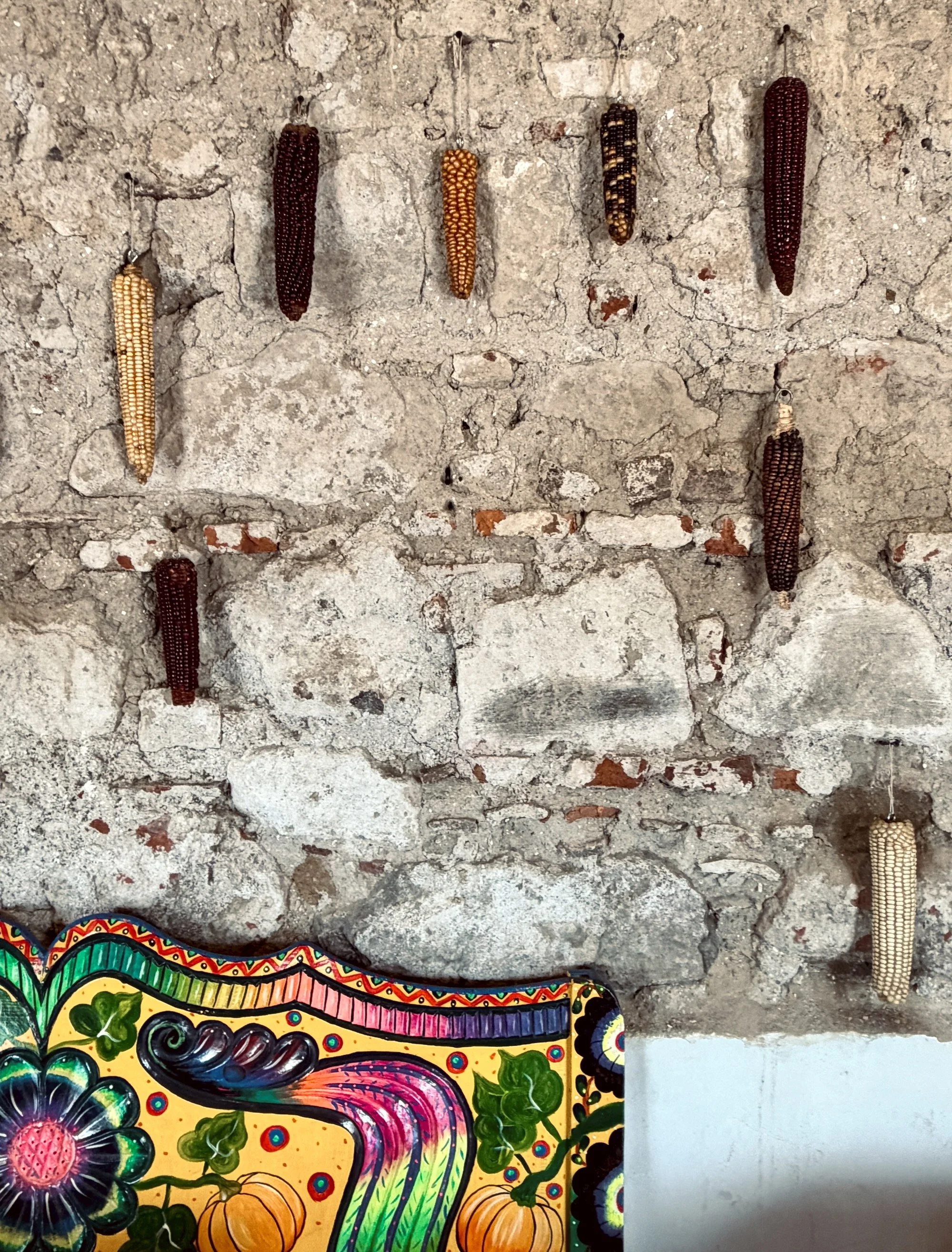
Learning about the central role of corn in Guatemalan life helped me see it as something that organizes communities, connects generations, embodies knowledge, and expresses relationships with the land. The idea that what is grown is sometimes shared not only among people but with animals—which is why there is no such thing as a scarecrow in Guatemala—stayed with me as a small but powerful expression of interdependence.
It brought me back, unexpectedly, to something I once heard about the labor organizer Grace Lee Boggs, whose work I encountered on an earlier trip to Detroit: if you want to do community work, learn how to grow your own food.
Food is never simply food. It's land, labor, self-determination, relationships, and the ways communities build and sustain their own futures.
I came home from Guatemala with stories, conversations, and moments that are still shaping how I think about tradition, community, education, culture, and possibilities.